
When landing in Seoul, shopping isn’t merely retail therapy; it is an acquisition of a highly specific, trend-forward lifestyle. The city’s commercial landscape moves at a hyper-fluid pace, producing items that balance avant-garde design with intense functional utility.
If you are operating on a tight travel schedule and want to skip the generic, low-quality tourist souvenirs, here is the definitive, high-efficiency sourcing blueprint for items worth your luggage space.
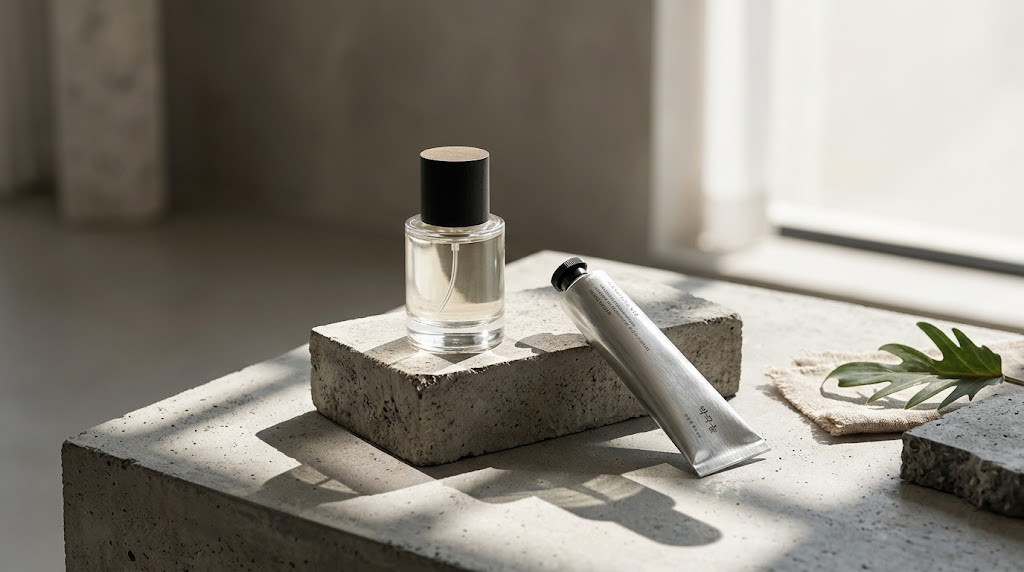
1. The Olfactory Signature: Micro-Fragrances & Scent Design
Seoul has redefined personal fragrance by treating scents as architectural and emotional statements rather than simple cosmetics.
- What to Buy: Solid perfumes, kinetic-art hand creams, and atmospheric room diffusers.
- The Brands to Target: Look for names like Tamburins and Granhand. Their products rely on sharp, non-traditional olfactory profiles (think raw cedar, wet soil, and bitter citrus) housed in highly aesthetic, minimalist packaging.
- The Vibe: These function as sensory memories. A single application post-travel instantly brings back the sharp, clean atmosphere of Gangnam’s retail flagships.
2. The Style Baseline: Contemporary Streetwear Labels
Korean streetwear dominates global youth culture through its subversion of classic silhouettes, focus on heavy-gauge fabrics, and unique geometric fits.
- What to Buy: Oversized graphic hoodies, structural nylon caps, and minimalist leather accessories.
- The Brands to Target: Focus on local giants and independent flagships such as Ader Error, Matin Kim, emis, and Musinsa Standard.
- The Vibe: These items are engineered for durability and visual impact. Bypassing global mass-market brands to source these localized labels ensures your wardrobe carries an exclusive, highly curated edge.
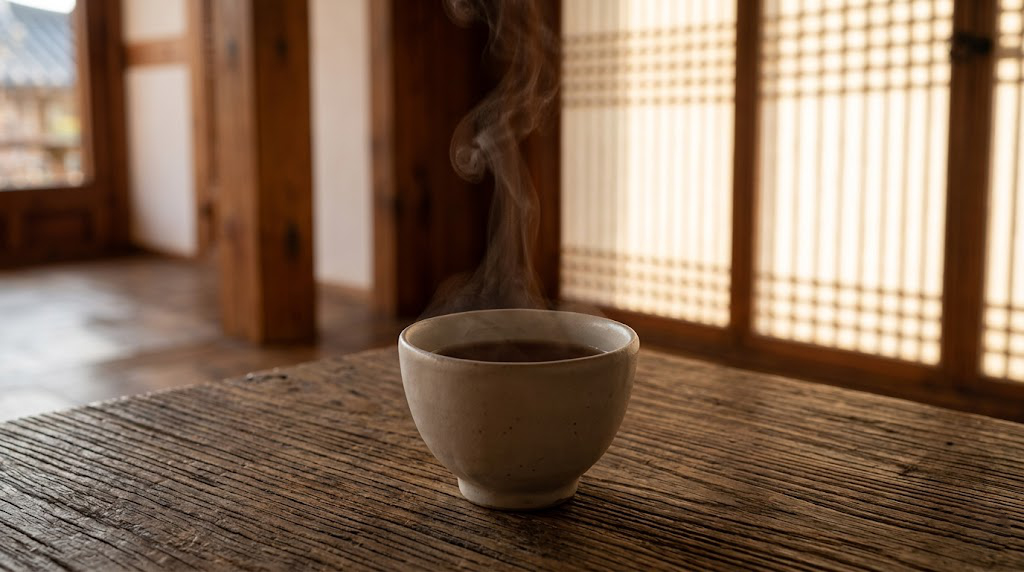
3. The Sensory Rest: Single-Origin Tea Curation & Ceramics
To balance the fast-paced digital energy of the city, bringing home a piece of Korea’s slow-living, meditative tea culture is essential.
- What to Buy: Artisanal loose-leaf green teas (sourced from Boseong or Jeju Island) and hand-thrown, matte-finish ceramic teacups.
- Where to Source: Explore the independent artisan studios tucked into the low-rise hanok alleys of Seochon or the design curation hubs in Seongsu-dong.
- The Vibe: The rough, organic textures of local pottery paired with clean, earthy teas offer a grounding, aesthetic ritual for your morning routine back home.
Sourcing Matrix for Travelers
| Category | Primary Focus | Best Neighborhood to Source | Material Aesthetic |
| Olfactory Art | Cult Fragrances & Hand Creams | Sinsa-dong / Apgujeong | Avant-Garde, Sleek, Kinetic |
| Street Culture | Exclusive Local Apparel & Caps | Seongsu-dong / Hongdae | Industrial, Oversized, Heavy-Gauge |
| Slow Lifestyle | Artisanal Ceramics & Loose Tea | Seochon / Samcheong-dong | Matte, Organic, Earthy Wood |