
The South Korean digital ecosystem is a closed system built on a rigid firewall of mobile-based identity verification. Most visitors operate under the delusion that a standard Wi-Fi connection or an international roaming plan provides full access. This is factually incorrect.
Without a mathematical link between your physical identity documents, a domestic telecommunications provider, and a local financial instrument, you are functionally locked out of the infrastructure that governs daily life in Seoul.
1. The Phone Number Identity Mandate (The SIM Trap)
Roaming plans and generic tourist eSIMs are structural failures for long-term digital survival. Korean digital services do not recognize foreign identities via email; they verify strictly through domestic phone numbers.
- The Identity Link: To access high-tier services (banking, age-restricted content, or government portals), your phone number must be registered to your exact legal name through a domestic carrier like SKT, KT, or LG U+.
- The Prepaid Barrier: Short-term prepaid SIMs (available at Klook or airport kiosks) often lack the “Identity Verification” (본인확인) capability required to create digital certificates.
- Action Logic: If you require digital autonomy, you must procure a SIM that explicitly supports identity verification via a Passport or Alien Registration Card (ARC).
2. The PASS App Verification System (The Syntactic Loop)
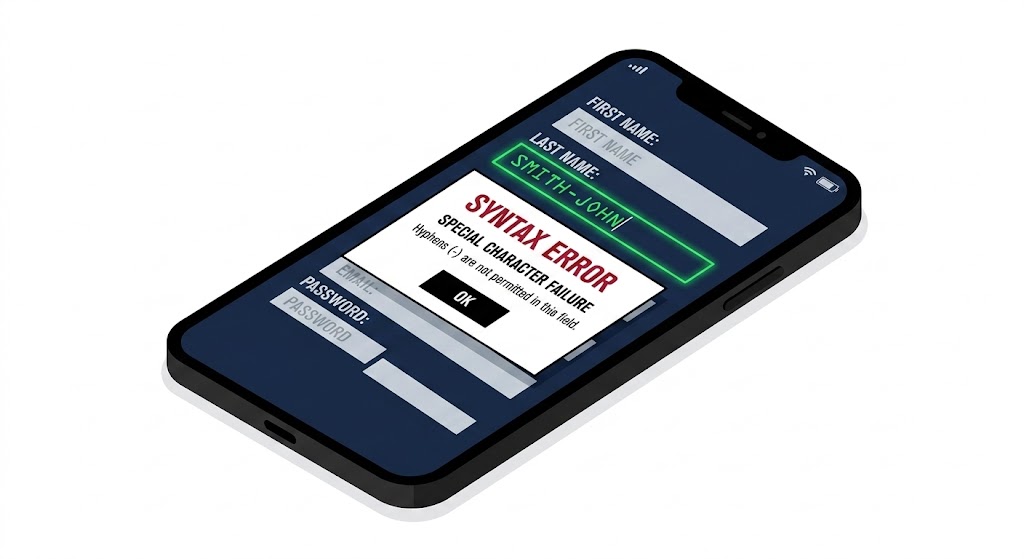
The PASS App is the primary gatekeeper for the Korean web. It operates on an absolute, zero-tolerance string-matching logic.
- Syntax Fatalities: The name registered with your telecom provider must match your passport character-for-character. If your passport says “SMITH JOHN” but the provider registers you as “SMITHJOHN” or “JOHN SMITH,” the verification will permanently fail.
- The Verification Loop: There is no manual human override. If the PASS system cannot reconcile your name, date of birth, and phone number against the government database, you cannot authenticate for any local app.
- Protocol: Verify the exact spelling of your name at the telecom counter before leaving. Any discrepancy is a total system lockout.
3. The Financial Limitation Matrix (The Bypass)
Foreign tourists are legally prohibited from executing domestic bank transfers (계좌이체), and ubiquitous wallets like KakaoPay or Toss are inaccessible without ARC-verified identities.
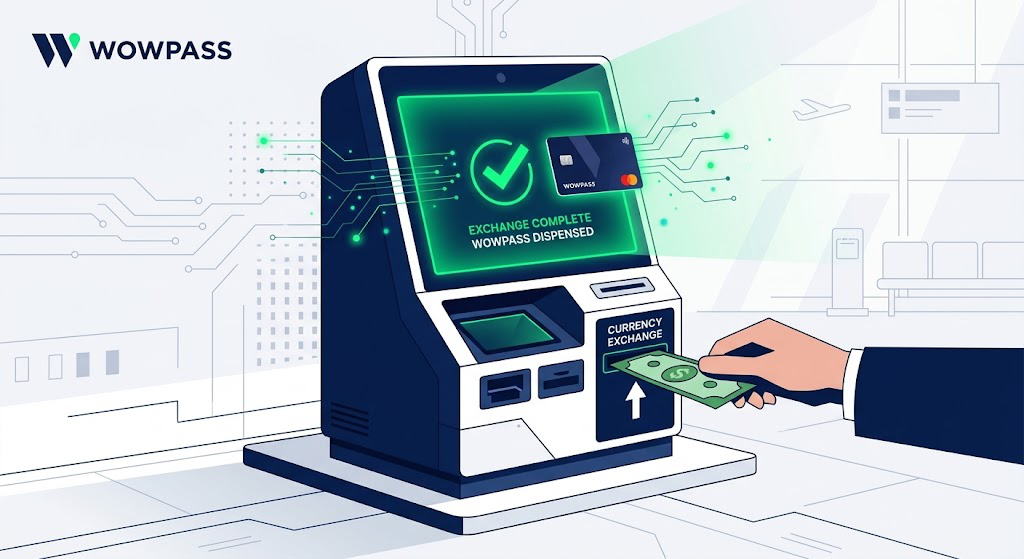
- WOWPASS: This is the mandatory financial bypass. It functions as a prepaid debit card that you top up with foreign cash at kiosks. It allows you to operate within the domestic credit network without a Korean bank account.
- NAMANE Card: A secondary alternative that allows for customized card designs and balance management for transit and retail.
- The Benefit: Both cards function on the domestic payment rail, ensuring your transaction is processed as a “Local Card,” which is often required for kiosk ordering and street-level retail.
4. The Delivery App Execution (Tactical Fallback)
Applications like Baedal Minjok (Baemin) and Yogiyo represent the highest level of friction for unverified users. If you cannot clear the PASS app verification, you cannot save a payment method.
- The “Meet and Pay” Protocol: Within the application checkout, look for “On-Site Payment” (만나서 결제). This allows you to pay the delivery rider directly using your physical WOWPASS or a standard international credit card.
- Limitation: Note that many vendors are increasingly disabling this feature to enforce digital-only transactions. If the option is greyed out, that establishment is inaccessible to unverified users.
The Exfiltration Strategy
The digital firewall is designed for security, not convenience for outsiders. To maintain operational efficiency, consolidate your financial activity into a WOWPASS and ensure your mobile name registration is a perfect syntactic match to your passport. Anything less is a guaranteed failure.